
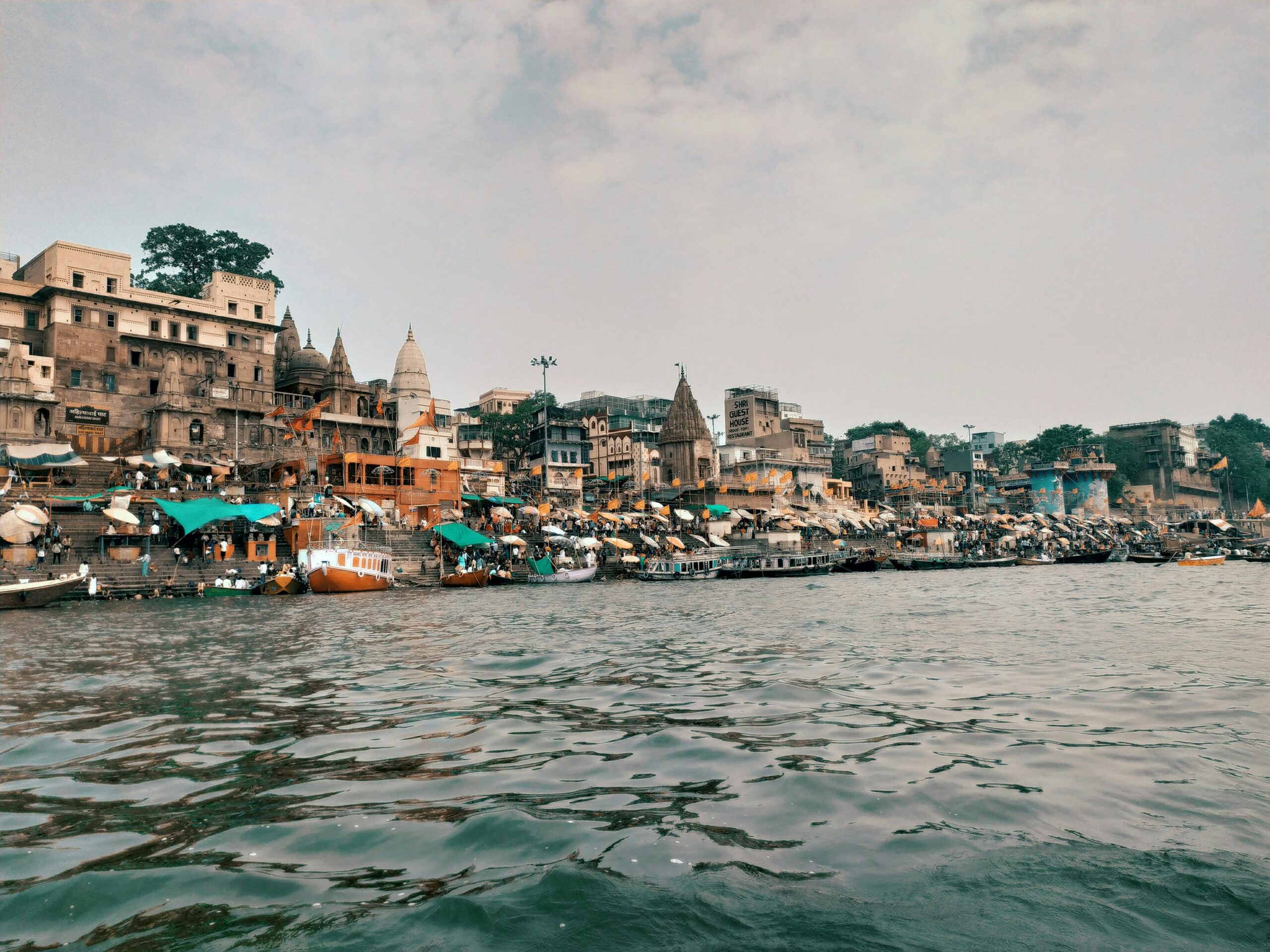
Hidden Temples in Varanasi for a Quiet Spiritual Experience , In a city where thousands of temples compete for attention and pilgrims flood the ghats from dawn to dusk, can you truly find spiritual solitude? The answer lies not in the famous landmarks splashed across guidebooks but in the hidden temples of Varanasi that locals visit for genuine contemplation.
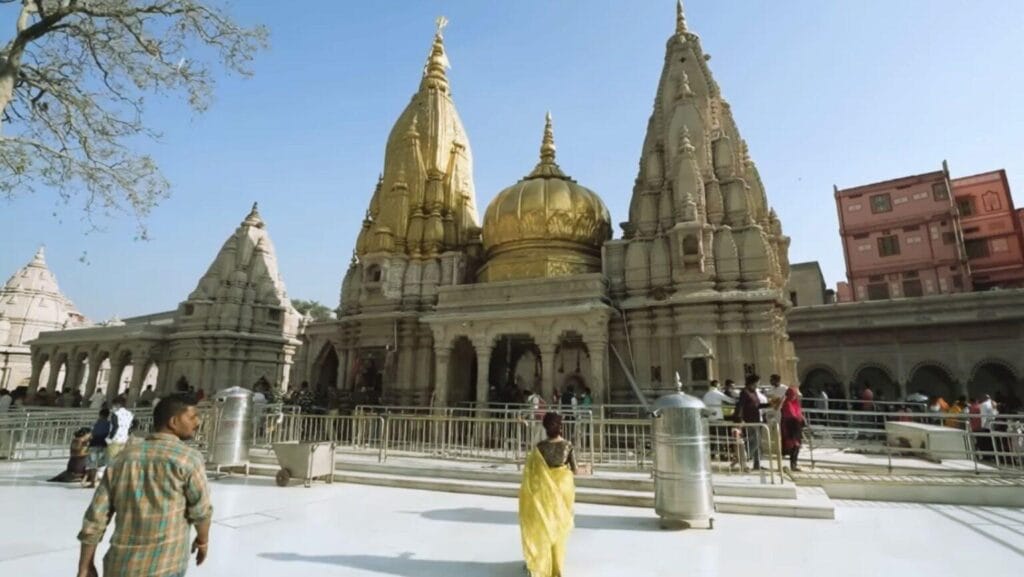
Varanasi is called the city of temples—some say there are more temples than homes here. Yet most visitors see only the famous few: Kashi Vishwanath with its golden spire, the Durga Temple with its playful monkeys, or the grand Sankat Mochan. Meanwhile, dozens of sacred spaces tucked away in forgotten lanes offer something increasingly rare in our modern world: silence, authenticity, and the space to truly connect with the divine.
These hidden temples aren’t hiding because they’re unimportant. They’re hidden because they’ve remained outside the tourist circuit, preserved by their very obscurity. They’re where local families have worshipped for generations, where priests still perform rituals for devotion rather than donations, and where you can sit undisturbed and feel what drew saints and seekers to Varanasi for millennia.
Why Seek Hidden Temples in Varanasi
Escaping the Tourist Crowds
Hidden Temples in Varanasi for a Quiet Spiritual Experience , Have you ever tried meditating while someone’s taking selfies beside you? Or felt rushed through a prayer because twenty people are queuing behind you? At Varanasi’s famous temples, spiritual experience often takes a backseat to tourist management.
Hidden temples offer a different reality. You might find yourself the only visitor, sharing space with perhaps one elderly woman offering flowers or a priest absorbed in his morning rituals. The atmosphere shifts from spectacle to sanctuary. You can sit as long as you need, meditate without interruption, or simply absorb the energy that accumulates in places of continuous devotion.
The absence of crowds also reveals architectural details you’d miss otherwise—intricate carvings, ancient inscriptions, the play of light through old stone lattices. You can actually look, rather than just glance while being pushed along by the crowd.
Discovering Authentic Devotion
In hidden temples, devotion isn’t performed for observers—it simply is. You’ll witness faith in its purest form: the flower vendor who stops to bow before the deity on his way to market, the schoolchild who touches the temple threshold for blessings each morning, the elderly couple who’ve made the same pilgrimage every Thursday for fifty years.
These temples preserve traditions exactly as they’ve been practiced for centuries. The rituals haven’t been shortened for tourist schedules or explained in English for foreign visitors. Priests chant mantras at their natural pace, ceremonies follow lunar calendars rather than tour bus timetables, and the entire experience remains gloriously, authentically Indian.
This authenticity transforms your visit from sightseeing to something deeper. You’re not watching religion—you’re experiencing the living spiritual culture that makes Varanasi what it is.
Tilbhandeshwar Temple: The Keeper of Sesame Seeds
The Legend Behind the Temple
Tucked away in the southern part of Varanasi, near the Assi area, Tilbhandeshwar Temple remains remarkably unknown despite its fascinating legend. According to ancient texts, this is where Lord Shiva kept the sesame seeds (til) that would later create the universe. The name itself means “Lord of the Sesame Store.”
Local belief holds that Shiva preserved these seeds here before the creation, making this temple a symbol of potential and beginnings. Devotees come here when starting new ventures, seeking blessings for fertility, or marking significant life transitions. The spiritual energy feels different here—less about endings and liberation (which dominates Varanasi’s mythology) and more about creation and possibility.
The temple complex includes smaller shrines dedicated to various deities, but the central Shiva lingam is the focus. It’s ancient, smooth from centuries of worship, and radiates a serene power that visitors often comment on.
Architectural Beauty in Seclusion
What makes Tilbhandeshwar architecturally remarkable is its traditional Nagara style, completely intact without modern renovations ruining its character. The shikhara (temple tower) rises elegantly, covered in weathered carvings of gods, goddesses, and celestial beings.
The temple courtyard remains peaceful, shaded by old trees and surrounded by original stone walls. Unlike renovated temples gleaming with fresh paint and marble, Tilbhandeshwar wears its age with dignity. The blackened stones, worn steps, and faded carvings tell stories of countless devotees over countless centuries.
Best Time to Visit
Early morning, between 6:00 and 8:00 AM, offers the most peaceful experience. You’ll likely encounter only local residents completing their morning puja. The priest performs a simple aarti around 6:30 AM that you’re welcome to join. The temple remains open throughout the day but afternoons bring school children and evening brings families, so mornings are ideal for solitude.
The temple celebrates Mahashivratri with special fervor, but even then, crowds are manageable compared to more famous temples. Mondays (Shiva’s day) see increased visitors but nothing overwhelming.
Sakshi Vinayak Temple: The Witness of All Actions
Why This Ganesha Temple Stands Apart
Located near Meer Ghat, Sakshi Vinayak Temple holds unique theological significance in Varanasi’s spiritual landscape. “Sakshi” means witness, and this form of Ganesha is believed to observe and record all actions, good and bad, of those who die in Varanasi.
According to tradition, even dying in the sacred city isn’t automatic liberation. Sakshi Vinayak witnesses your life’s deeds and testifies accordingly. This makes the temple deeply important to locals but largely unknown to tourists who haven’t studied Varanasi’s complex spiritual geography.
The temple itself is modest—a small shrine in a residential area, easily missed if you’re not looking for it. But its theological importance makes it a regular stop for Varanasi residents, especially those with elderly relatives. Many families bring their elders here to seek blessings, believing that Sakshi Vinayak’s grace improves one’s spiritual standing.
The Spiritual Significance for Locals
Understanding why locals revere Sakshi Vinayak reveals much about Varanasi’s spiritual culture. The city’s promise isn’t just mechanical liberation through geography—it’s about living consciously, knowing that actions matter, and seeking divine grace alongside right conduct.
Visiting this temple offers deep introspection opportunities. The very concept of a “witnessing deity” encourages self-reflection. Many visitors report that sitting quietly in this temple prompts profound examination of their own lives and choices.
The atmosphere is contemplative rather than festive. People visit individually or in small family groups, spending time in quiet prayer rather than elaborate ceremonies. For those seeking meaningful spiritual experience rather than tourist attractions, Sakshi Vinayak delivers powerfully.
Kaal Bhairav Temple: Guardian of Varanasi
The Fearsome Deity with a Gentle Heart
Kaal Bhairav is Varanasi’s kotwal—the guardian and policeman of the sacred city. This fierce form of Shiva, depicted with fangs and a garland of skulls, might seem intimidating, but devotees know him as ultimately protective and compassionate.
The temple, located in the Vishweshwarganj area, dates back centuries and serves as the administrative spiritual headquarters of Varanasi. According to belief, visitors must first seek Kaal Bhairav’s permission before entering Kashi (Varanasi). Many locals visit here before any significant religious activity in the city.
Despite its theological importance, the temple remains relatively uncrowded except during specific festivals. Its location off the main tourist circuits helps maintain its peaceful atmosphere. The energy here is powerful—devotees describe feeling both reverence and reassurance in Kaal Bhairav’s presence.
Unique Rituals and Offerings
One of the most unusual aspects of this temple is the offering of alcohol to the deity. Yes, you read that correctly. Devotees offer liquor to Kaal Bhairav, and miraculously, the liquid seems to disappear when poured before the idol—a phenomenon that has puzzled observers for generations.
Traditional offerings also include mustard oil, black sesame seeds, and black cloth, all connected to Bhairav’s symbolism. Watching these rituals provides insight into Hinduism’s tantric traditions, which remain active in Varanasi but are rarely understood by casual visitors.
Morning Visits for Peaceful Contemplation
The temple opens early, around 5:00 AM, and morning visits offer the best experience. The priest performs morning aarti around 5:30 AM with full devotional intensity but minimal crowd. The atmosphere is charged yet peaceful, allowing for genuine spiritual connection.
If you’re interested in meditation, the temple has a small courtyard where you can sit. The energy of Kaal Bhairav—fierce protector of spiritual seekers—creates a unique space for confronting fears and seeking transformation. Many serious practitioners specifically seek out this temple for breakthrough moments in their spiritual practice.
Tridev Temple: Three Gods Under One Roof
Rare Architecture and Sacred Geometry
Near Manikarnika Ghat, hidden among the dense cluster of buildings, stands Tridev Temple—a architectural rarity where Brahma, Vishnu, and Shiva are worshipped together in one sanctum. Such temples are uncommon because these three gods usually have separate shrines.
The temple’s design reflects ancient understanding of sacred geometry. The three deities are positioned to represent creation (Brahma), preservation (Vishnu), and destruction (Shiva)—the cosmic cycle contained within one spiritual space. For students of Hindu philosophy, this temple offers visual representation of abstract concepts.
The structure itself is old, with elements suggesting it dates back several centuries. The stone walls bear inscriptions in Sanskrit, many worn beyond legibility but hinting at the temple’s long history. Architectural enthusiasts appreciate the traditional Varanasi style—compact yet elegant, maximizing spiritual atmosphere within minimal physical space.
The Underground Sanctum Experience
One of Tridev Temple’s most intriguing features is its partially underground sanctum. You descend several steps to reach the main shrine, creating a sensation of entering the earth itself. This isn’t accidental—the design intentionally creates a womb-like space, symbolizing spiritual rebirth.
The underground positioning also provides remarkable acoustics. Chants and mantras resonate beautifully, creating an immersive sonic environment. When the priest chants, the sound seems to come from everywhere and nowhere, wrapping around you completely.
Many visitors report profound meditative experiences in this underground space. The combination of dim lighting (only oil lamps illuminate the sanctum), cool temperature, and resonant acoustics creates conditions conducive to deep introspection. If you’re seeking transformative spiritual experience rather than just temple-hopping, spend at least twenty minutes here in quiet contemplation.
Nepali Temple: A Himalayan Gem in Banaras
Wooden Carvings That Tell Stories
Also known as Kathwala Temple (wooden temple), the Nepali Temple stands as an architectural masterpiece brought from the Himalayas to the plains. Built in the 19th century by the King of Nepal, its pagoda-style architecture and elaborate wood carvings make it visually distinct from typical Varanasi temples.
Every inch of woodwork tells a story. Carvings depict scenes from the Ramayana and Mahabharata, along with intricate floral and geometric patterns. The craftsmanship is extraordinary—these carvings were done by master artisans from Nepal using traditional tools and techniques.
What makes this temple “hidden” despite its beauty is its location slightly away from the main ghat area, near Lalita Ghat. Many tourists miss it entirely, while those who find it often visit briefly without appreciating its artistic and spiritual depth. Taking time to study the carvings, understand the stories they depict, and absorb the peaceful atmosphere transforms a quick visit into a meaningful experience.
The Peaceful Garden Sanctuary
Unlike many Varanasi temples squeezed into tiny spaces, Nepali Temple enjoys a proper garden setting. Trees provide shade, flowering plants add color, and stone benches offer seating for contemplation. The garden itself becomes part of the spiritual experience.
This outdoor space makes the temple particularly appealing for those who find indoor shrines claustrophobic or overly intense. You can meditate in the garden, do walking meditation around the temple, or simply sit and read spiritual texts in a peaceful environment.
The temple is especially beautiful during early morning when sunlight filters through the trees onto the carved wooden facades. Birds nest in the eaves, their morning songs creating a natural soundtrack to your spiritual practice. For photographers interested in temple architecture, the varying light conditions throughout the day offer endless creative possibilities.
Mrityunjay Mahadev Temple: Victory Over Death
Located Away from the Ghat Chaos
Mrityunjay Mahadev—”the conqueror of death”—is a form of Shiva specifically invoked for healing and protection from untimely death. This temple, located in the Daranagar area away from the riverfront tourist zone, serves primarily local devotees seeking healing or praying for sick relatives.
The temple’s relative remoteness from tourist areas ensures it remains a working temple rather than a tourist attraction. Families come here during health crises, performing special pujas and reciting the Mrityunjaya Mantra. The atmosphere is one of urgent devotion—people praying with real needs, real fears, and real faith.
This creates a profoundly moving environment. Unlike temples where devotion sometimes feels performative, here it’s visceral and authentic. Witnessing such raw faith can be transformative for visitors seeking to understand what religion truly means to believers.
Personal Prayer Space and Meditation
The temple complex includes a small meditation hall where visitors can sit undisturbed. Unlike the main sanctum where ritual activity continues, this separate space is designated specifically for contemplation.
The hall overlooks a small garden with medicinal plants—an appropriate choice given the temple’s association with healing. Some visitors report practicing healing meditations here, visualizing loved ones recovering from illness, or working through their own health challenges spiritually.
The temple priests are knowledgeable about the Mrityunjaya Mantra and can teach you the proper pronunciation if you’re interested in learning this powerful Vedic chant. They’re generally welcoming to sincere seekers regardless of religion or background, viewing spiritual teaching as part of their service.
Durga Temple: The Monkey Temple Secret
Most guidebooks mention Durga Temple (the “monkey temple”), making it arguably not hidden. However, what remains hidden are the numerous smaller shrines within the complex that tourists rarely explore. While everyone photographs the monkeys and the main Durga shrine, the real spiritual treasures lie in the compound’s corners.
Beyond the Monkeys: Hidden Shrines Within
Within the Durga Temple complex, you’ll find shrines to multiple deities—each with its own character and devotional community. There’s a Hanuman shrine where wrestling enthusiasts pray before competitions, a Shiva lingam where couples pray for children, and a small Lakshmi shrine where merchants make offerings before opening their shops.
These subsidiary shrines receive less attention, meaning you can actually spend time at them without crowds. The devotees you’ll encounter are predominantly locals fulfilling specific devotional practices—women performing particular vratas (vows), men completing promised rituals, families marking life events.
Exploring these hidden-in-plain-sight spaces within the larger temple complex reveals how Hindu temple architecture creates multiple spiritual microenvironments within one sacred geography. Each shrine has its own energy, its own purpose, and its own devotional flavor.
Early Morning Serenity
The key to experiencing Durga Temple as a spiritual space rather than a monkey circus is timing. Visit at dawn, around 5:30 or 6:00 AM, before tour groups arrive. The monkeys are sleepy, the light is beautiful, and the devotional atmosphere dominates.
Morning aarti at Durga Temple is powerful and largely attended by sincere devotees rather than curious tourists. The chanting of Durga mantras, the clanging of bells, the fragrance of incense—all combine to create an authentic spiritual experience. Stay for the entire ceremony, participate respectfully, and you’ll understand why this temple commands such devotion despite (or perhaps because of) its playful monkey residents.
Sankat Mochan Hanuman Temple: Strength in Stillness
The Literary and Spiritual Heritage
Sankat Mochan, meaning “reliever of troubles,” is technically famous—but most visitors experience only its surface level. What remains hidden is its profound literary and spiritual heritage. The temple was founded in the early 1900s by the great saint and scholar Goswami Tulsidas, author of the Ramcharitmanas.
The temple runs a significant cultural foundation that organizes classical music concerts, Sanskrit learning programs, and spiritual discourses. These events, held regularly at the temple, remain largely unknown to tourists but attract serious students of Indian classical arts and philosophy.
Attending one of the morning discourse sessions or evening music programs reveals a completely different dimension of the temple. You’ll find yourself among scholars, musicians, and serious spiritual seekers rather than casual sightseers. The conversations you can have here, the knowledge you can access, and the connections you can make transform the temple from landmark to learning center.
Tuesday Evenings and Special Ceremonies
Tuesdays hold special significance for Hanuman worship, and Tuesday evenings at Sankat Mochan bring larger crowds but also heightened spiritual energy. If you attend on Tuesday, go for the evening aarti around 7:00 PM. Yes, it’s crowded, but the collective devotion is palpable and moving.
The temple also celebrates Hanuman Jayanti (Hanuman’s birthday) with extraordinary fervor. While this festival brings massive crowds, it also offers rare glimpses of traditional ceremonies, special rituals, and cultural performances. If your visit coincides with this festival and you’re interested in experiencing Hinduism’s living traditions, the crowds become worthwhile.
For genuine quiet contemplation, however, visit on weekday mornings between 6:00 and 8:00 AM. The temple opens early, the atmosphere is peaceful, and you can spend quality time in meditation or prayer without disturbance.
Madhyameshwar Temple: The Central Shiva
Hidden in Plain Sight
Madhyameshwar Temple exemplifies the concept of hiding in plain sight. Located in a busy commercial area near Godaulia, it’s surrounded by shops, crowds, and chaos—yet the moment you step through its entrance, you enter another world entirely.
“Madhyameshwar” means “the central Shiva,” and this temple marks one of the theoretical centers of Varanasi’s sacred geography. According to ancient texts, this lingam occupies a cosmologically significant position in the city’s spiritual layout.
The temple itself is small but ancient, with a lingam that priests claim has been worshipped continuously for over a thousand years. The worn appearance of the stone, smooth from centuries of abhisheka (ritual bathing), lends credibility to this claim. Sitting before this ancient object of devotion connects you to an unbroken chain of worshippers stretching back beyond recorded history.
Understanding Its Sacred Geography
Varanasi’s spiritual geography is complex, with various temples marking significant points in a sacred mandala. Madhyameshwar’s position in this system makes it theologically important for those performing particular spiritual practices or pilgrimage circuits.
Some devoted pilgrims perform a circuit of five Shiva temples including Madhyameshwar, believing this completes a spiritually significant pattern. Others visit as part of seeking blessings for specific life events, following traditional prescriptions passed down through families.
Understanding these patterns reveals Varanasi as not just a collection of temples but as a carefully designed spiritual landscape where positions, relationships, and geometries all carry meaning. Madhyameshwar offers an entry point into this deeper understanding.
Practicalities for Visiting Hidden Temples
Dress Code and Temple Etiquette
Hidden temples often maintain stricter traditional standards than tourist-friendly venues. Modest dress is essential—shoulders and knees covered for both men and women. Many temples require you to remove leather items (belts, wallets, shoes) before entering as leather is considered impure in Hindu ritual contexts.
Shoes must be removed before entering any temple sanctum, and often before entering the temple complex itself. Many temples have shoe storage facilities, but carrying a small bag for your shoes gives you more control and speeds up your movements.
Women should be aware that some temples restrict entry during menstruation. While this practice is controversial and changing, it remains the rule at traditional temples. Respecting these customs, even if you disagree philosophically, allows peaceful visits.
Photography Guidelines
Photography rules vary by temple. As a general principle, assume photography is prohibited inside sanctums unless clearly indicated otherwise. Many hidden temples have no signs in English, so observe what locals do or ask the priest.
External architecture is usually fine to photograph. Temple courtyards and gardens typically allow photography. But during ritual ceremonies, ask permission before photographing, and never use flash during prayers as it disrupts the atmosphere.
Remember that your spiritual experience matters more than your Instagram feed. Sometimes the most profound moments are the ones you can’t photograph—when you’re fully present rather than viewing everything through a camera screen.
Offerings and Donations
Hidden temples survive on devotee contributions, not ticket sales. Making a small offering is appropriate and appreciated. Typical offerings include flowers, coconuts, incense, or cloth for the deity. Most temples have vendors outside selling puja supplies.
Monetary donations should be placed in official donation boxes rather than handed directly to priests, avoiding awkward situations. The amount isn’t important—sincerity matters more than sum. Even small donations help maintain these spiritual spaces for future seekers.
If a priest performs a special puja for you, a small donation (₹51, ₹101, or ₹201 are traditional amounts) is appropriate afterward. This isn’t payment for services but a contribution to the temple and the priest’s livelihood.
Creating Your Personal Temple Trail
Mapping a Spiritual Journey
Rather than trying to visit all hidden temples in one frantic day, consider creating a personal spiritual trail spread across several days. Choose temples that resonate with your specific interests or spiritual needs.
You might create a “Shiva trail” visiting different forms of Shiva in various temples. Or a “healing trail” focusing on temples associated with health and wellness. Perhaps a “contemplative trail” selecting temples known for peaceful meditation environments.
Mapping your route practically is important. Varanasi’s geography can be confusing, and hidden temples are by definition not well-marked. Use offline maps, ask locals for directions, and allow extra time for getting lost—which often leads to unexpected discoveries.
Combining Meditation with Exploration
The most rewarding approach combines active exploration with contemplative practice. Rather than temple-hopping for superficial exposure, spend meaningful time at each location. Sit for at least 15-20 minutes in meditation or quiet reflection at each temple.
Bring a small journal to record insights, observations, and experiences. The act of writing after each temple visit helps process the experience and creates a personal spiritual record you’ll treasure.
Consider learning a simple universal mantra like “Om Namah Shivaya” that you can chant quietly at each Shiva temple, creating continuity in your spiritual practice across different locations. This transforms scattered sightseeing into coherent spiritual pilgrimage.
Conclusion: The Reward of Seeking Silence
In a world that constantly demands our attention with noise, stimulation, and spectacle, hidden temples in Varanasi offer something increasingly precious: the space to simply be. These temples don’t shout for attention or dazzle with grandeur. They simply exist, as they have for centuries, waiting for those who seek more than surface experiences.
The reward of finding these hidden spaces isn’t just avoiding crowds or getting unique photographs. It’s discovering that spirituality still lives authentically in the modern world, that ancient practices continue because they genuinely transform people, and that silence itself can be a form of teaching.
Each hidden temple reveals different aspects of Varanasi’s spiritual character. Some showcase architectural beauty, others theological complexity, still others the raw power of devoted faith. Together, they paint a complete picture of a living religious culture that welcomes sincere seekers while remaining indifferent to casual tourism.
When you sit alone in an ancient temple, listening to the priest’s chants echo off stone walls darkened by centuries of lamp smoke, feeling the cool sanctum floor beneath you and breathing air heavy with incense and devotion, you understand why saints and seekers have been drawn to Varanasi for millennia. The divine presence isn’t theoretical here—it’s palpable, present, and patient.
So seek out these hidden temples. Take the narrow lane rather than the main road. Follow the sound of bells into unexpected courtyards. Ask locals where they pray rather than where tourists photograph. In doing so, you’ll discover that Varanasi’s greatest treasures were never hidden—they were simply waiting for those willing to truly look.
FAQs
You can definitely explore independently with good preparation. Download offline maps, mark temple locations beforehand, and don’t hesitate to ask locals for directions—most Varanasi residents are helpful and take pride in their city’s temples. However, a knowledgeable local guide adds significant value for first-time visitors, providing historical context, explaining rituals, and navigating the complex lanes efficiently. If you hire a guide, ensure they understand you want peaceful spiritual experiences rather than rushed sightseeing.
Generally, yes. Most Hindu temples in Varanasi welcome sincere visitors regardless of religious background. The key is approaching with genuine respect rather than casual curiosity. Some temples restrict non-Hindus from the innermost sanctum, but you can still visit the complex and observe. Priests at hidden temples are often more welcoming than those at famous tourist spots because they encounter fewer visitors and appreciate sincere interest. If unsure, simply ask the priest respectfully—they’ll guide you on where you can go.
3. What’s the best time of day to visit these temples for the most peaceful experience?
Early morning (6:00-8:00 AM) consistently offers the most peaceful experiences. Temples open at dawn for morning prayers, and you’ll encounter primarily serious local devotees rather than tourists. The energy is fresh, the light is beautiful, and priests are often more available for conversation. Late evening after sunset also offers quieter moments at some temples. Avoid midday (11:00 AM-3:00 PM) when heat and crowds peak. If you can only visit during busy times, weekdays are generally quieter than weekends and holidays.
Quality matters more than quantity. Rather than rushing through ten temples superficially, spend meaningful time at three or four. Allocate at least 30-45 minutes per temple—time to arrive, remove shoes, observe rituals, meditate or pray, explore the complex, and absorb the atmosphere. If a temple particularly resonates with you, stay longer. Some serious seekers spend hours at a single temple, meditating, observing ceremonies, or conversing with priests. Create a flexible schedule that allows spontaneity rather than rigid temple-per-hour planning.
5. Can I participate in temple rituals, or should I just observe?
Participation is generally welcomed when approached respectfully. Watch what local devotees do—if they’re ringing bells, circumambulating the shrine, or taking prasad, you can likely do the same. For specific ceremonies like aarti, priests often signal where visitors should stand and may offer you a diya to hold or flowers to offer. If you’re uncertain, simply observing is perfectly acceptable and respectful. Never photograph during rituals without permission, avoid standing directly in front of people praying, and follow the priest’s instructions if participating in elaborate ceremonies. Your respectful interest is appreciated—temples exist for spiritual connection, not just for ethnic Indians or Hindus.